Key Operational Considerations for Events at Miami Marriott Biscayne Bay
Biscayne Bay waterfront positioning within the downtown core cluster
Integration of cultural assets like the Adrienne Arsht Center into programs
Venue-managed meeting services distinct from convention center operations
Access to categorized supplier ecosystem for AV, DMC, and transportation
Routing and timing specifics for Edgewater neighborhood logistics
Connection to multi-county strategies spanning Miami-Dade and Broward
Manual-driven parameters for labor and exhibitor-appointed contractors
Biscayne Bay Core Cluster Context for This Conference Hotel
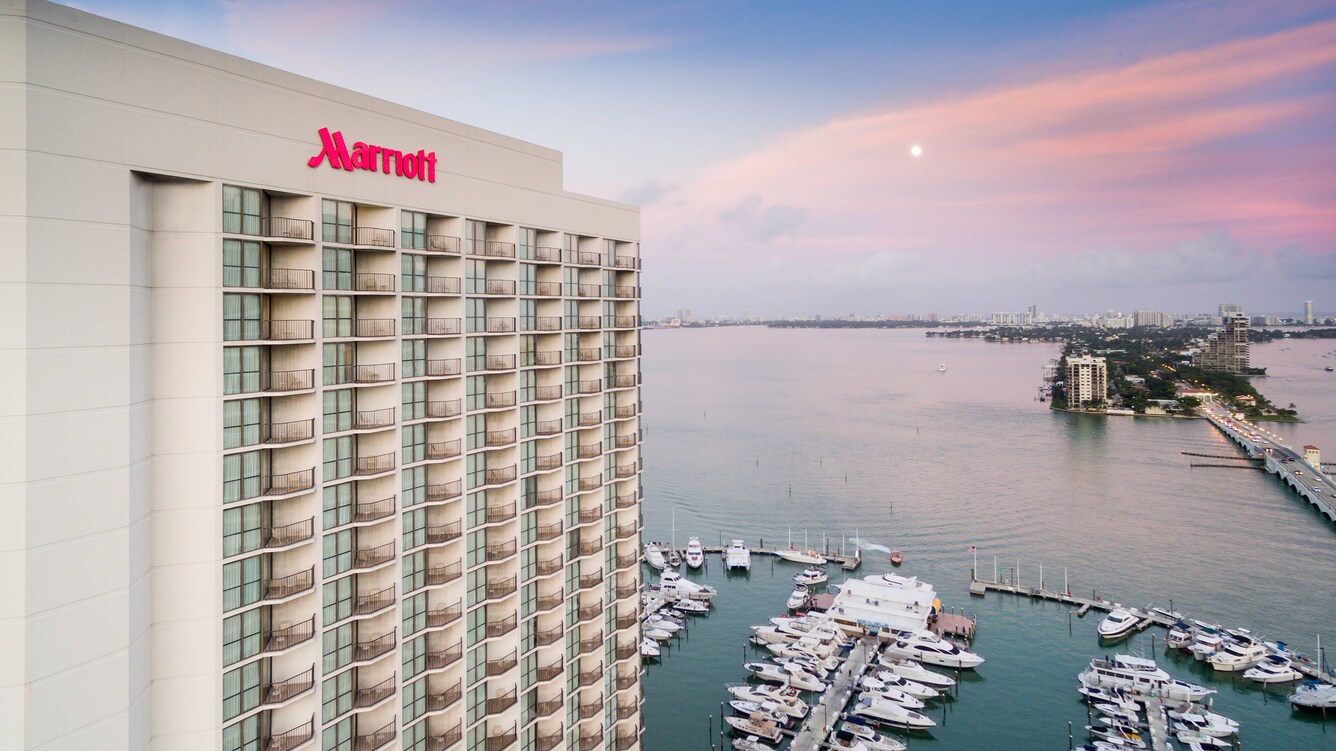
Miami's meetings market distributes demand across several defined clusters, with the Downtown, Brickell, and Biscayne Bay Core serving as the primary zone for the Miami Marriott Biscayne Bay. This area supports events that capitalize on urban density, investor networks, and waterfront aesthetics rather than the 1.4 million square feet of meeting space led by the Miami Beach Convention Center further east. The hotel's address on N. Bayshore Drive places it directly on the bay, facilitating views that enhance morning sessions or evening receptions while maintaining quick access to Brickell and the Miami Design District. Planners frequently select this district when programs require a balance of professional focus and proximity to Miami's business corridors without the heavier pedestrian traffic of South Beach.
Operational differentiation emerges when comparing this location to the North Coastal Extension or the Airport, Doral, and West Access Belt. Where the west belt prioritizes freight and warehouse movements for large-scale displays, the Biscayne Bay Core favors tighter scheduling around cultural institutions and corporate headquarters. The Miami Marriott Biscayne Bay therefore functions effectively for mid-format corporate displays, product showcases, and sponsor-driven activations that leverage the Adrienne Arsht Center for keynote expansions or the Miami-Dade Arena for group outings. This placement also supports overflow from larger shows at the James L. Knight Center or the Miami Convention Center by providing additional sleeping rooms and meeting space in a distinct bayfront environment.
Understanding these cluster dynamics allows precise routing of materials and personnel. Bayshore Drive traffic patterns, bridge crossings, and proximity to the Port of Miami influence delivery windows, requiring advance mapping that differs from Collins Avenue or airport-adjacent routes. The connected nature of Miami-Dade and Broward counties further enables hybrid programs that begin at this hotel and extend to the Broward County Convention Center for expanded display components.
Edgewater district offers bay views distinct from oceanfront properties
Supports corporate and investor events tied to urban Miami infrastructure
Complements rather than duplicates Miami Beach Convention Center functions
Facilitates integration with performing arts and sports venue calendars
Requires cluster-specific timing to align with downtown traffic flows
Venue-Specific Services and Meeting Platform Coordination
Each South Florida property maintains its own event platform, and the Miami Marriott Biscayne Bay follows this principle through its dedicated meetings team and internal service parameters. Rather than applying blanket rules from the Miami Beach Convention Center's 84 breakout rooms or the Coastal Convention Center at Fontainebleau, planners must reference the hotel's individual guidelines for setup, audiovisual integration, and attendee flow. This approach ensures compliance with property-specific load-in procedures along N. Bayshore Drive and avoids assumptions about universal access that could disrupt schedules.
The hotel's conference capabilities align with the broader GMCVB emphasis on tailored supplier involvement. Event coordination therefore includes selecting from established categories such as audio-visual services, catering, and destination management companies listed in the official Miami meetings supplier directory. These resources enable customized configurations for display elements within the hotel's ballrooms or pre-function areas, always under the direction of the venue's event management staff. Documentation from the property remains the definitive source for ceiling heights, power specifications, and rigging approvals.
Successful programs at this location often combine the hotel's waterfront setting with external activations. For instance, sessions can transition from bay-view presentations to off-site components at the Arsht Center, requiring precise scheduling coordination that accounts for short-distance transportation. This layered planning underscores the importance of treating the Miami Marriott Biscayne Bay as one node within a larger ecosystem rather than an isolated venue.
Attention to these venue-driven details supports smoother execution while maintaining regulatory alignment. The mixed nature of South Florida's meetings market means final configurations depend on the specific show manual, organizer preferences, and current property directives.
Leveraging the Greater Miami Supplier Ecosystem
The official Greater Miami Convention and Visitors Bureau supplier directory outlines distinct categories that support events at properties like the Miami Marriott Biscayne Bay. These include providers for audio-visual and film services, caterers, destination management companies, transportation, employment services, and entertainment booking. Rather than relying on a single in-house solution, coordination involves selecting and integrating these specialized vendors according to the event's technical and logistical requirements.
For displays, this ecosystem enables access to high-quality resources that complement the hotel's platform without replacing venue oversight. Transportation partners can manage movements between the Biscayne Bay location and other clusters, such as the airport-west belt for freight staging or the Miami Beach Convention Center for combined programs. Catering and entertainment suppliers add value to receptions that utilize the hotel's 360-degree views, creating experiences that align with Miami's reputation for sophisticated events.
Employment services within the directory further assist with staffing needs under the guidelines established by the venue and show organizer. This vendor-network approach reflects the market's structure, where no single entity controls all aspects of an display. Planners benefit from early mapping of these relationships to ensure smooth delivery of services that meet both property standards and exhibitor expectations.
Documentation from the GMCVB supplier section emphasizes collaboration among these providers to produce memorable outcomes. Applying this framework to the Miami Marriott Biscayne Bay means building a coordinated team that respects the hotel's specific operational boundaries while drawing on the depth of South Florida's meetings infrastructure.
Transportation options for inter-cluster movements
Entertainment booking aligned with waterfront themes
Employment services compliant with venue directives
Emphasis on high-quality, collaborative supplier standards
District-Level Differentiation and Routing Nuances
The Edgewater segment of the Biscayne Bay Core presents distinct operational characteristics compared to the Miami Beach Convention and Collins Corridor or the Airport, Doral, and West Access Belt. Where the beach corridor contends with higher pedestrian volumes and Collins Avenue constraints, Bayshore Drive offers more direct waterfront access with views that enhance attendee experience. This differentiation influences everything from material handling to attendee arrival patterns, requiring planners to adjust timelines and routing accordingly.
Compared to north-coastal venues in Sunny Isles or Aventura, the Miami Marriott Biscayne Bay provides tighter integration with downtown corporate and cultural assets. Its location supports programs that combine display hours with evening performances at the Adrienne Arsht Center or group activities at the Miami-Dade Arena, creating added value not as readily available in resort-focused clusters. However, this urban positioning also means accounting for downtown traffic patterns, bridge schedules, and proximity to the Port of Miami when scheduling freight arrivals.
The market notes explicitly recognize that real project demand spreads beyond the Miami Beach anchor into Downtown Miami and Brickell. This reality allows the Miami Marriott Biscayne Bay to function as a primary or secondary venue for events that benefit from Biscayne Bay aesthetics and urban connectivity. Operational detail includes mapping neighborhood-specific load zones, coordinating with local authorities for temporary signage or closures, and timing deliveries to avoid peak commuter hours along the bay.
Such nuances underscore the importance of district-specific knowledge. Treating all Miami venues under one generic approach overlooks these operational distinctions, whereas targeted planning for Edgewater enhances efficiency and attendee satisfaction.
Logistics and Timing for Waterfront Display Programs
Logistics for the Miami Marriott Biscayne Bay must account for its waterfront position and downtown adjacency. Freight movements benefit from proximity to major arteries connecting to the airport and port, though they differ from the dedicated trucking advantages found in the west access belt. Planners coordinate advance and move-out schedules that respect both hotel parameters and Biscayne Bay area regulations, ensuring materials arrive in sequenced waves that align with event build timelines.
Exhibitor-appointed contractor coordination follows the venue's specific instructions, supplemented by the broader supplier network for specialized tasks. This layered model prevents bottlenecks common in mixed-labor environments and maintains clear lines of responsibility. Timing considerations also incorporate the hotel's event calendar, particularly when cultural programming at nearby institutions creates overlapping demand for transportation and personnel.
South Florida's treatment of Miami-Dade and Broward as a single operating region further expands options. Programs can stage larger components at the Broward County Convention Center before shifting to the Biscayne Bay hotel for executive sessions, requiring precise freight tracking and cross-county scheduling. These strategies leverage the documented capacity signals across the region while centering operations on the Miami Marriott Biscayne Bay's unique waterfront attributes.
Successful logistics ultimately rest on thorough pre-event mapping. By focusing on verified venue manuals, supplier capabilities, and district realities, coordinators create reliable frameworks that support high-quality execution at this Edgewater property.
Sequence freight to align with Bayshore Drive access windows
Coordinate with venue for load-in parameters and staging
Integrate EAC instructions with supplier network resources
Account for cultural venue calendars in timing plans
Utilize regional connectivity for multi-site programs
Best Practices for Corporate Events and Regional Connectivity
Corporate programs at the Miami Marriott Biscayne Bay gain from its capacity to host focused displays within a bayfront setting that appeals to executive audiences. Best practices include early engagement with the hotel's meetings team to define technical requirements, followed by supplier selection from the GMCVB directory to handle specialized elements. This sequence ensures that product launches or sponsor activations receive appropriate technical support while benefiting from the property's 360-degree views and cultural adjacency.
Regional connectivity adds another layer of value. With Broward County venues positioned as overflow and expansion options, planners can design programs that utilize the Miami Marriott Biscayne Bay for intimate components and larger facilities for display halls. The 31,639 Square Foot meeting venue at Broward, combined with the Miami Beach Convention Center's Grand Ballroom, creates scalable pathways that maintain the waterfront emphasis at the core property.
Documentation and compliance remain central. Each venue's manual, the specific show directives, and current labor guidance shape final arrangements. This disciplined approach aligns with the market's venue-driven structure and supports sustainable growth across South Florida's connected counties.
By prioritizing these operational details, display planners position their programs for success at the Miami Marriott Biscayne Bay while contributing to the overall strength of Miami's diverse meetings ecosystem.
Advancing Planning Precision Across South Florida Venues
The Miami Marriott Biscayne Bay exemplifies how individual properties within the Biscayne Bay Core contribute to a larger, interconnected meetings market. Its role becomes clearer when viewed alongside the 60,000 Square Foot Grand Ballroom at the Miami Beach Convention Center or the 29,000 Square Foot ballroom at the Miami Airport Convention Center. Coordination resources that map these relationships help organizers maximize each venue's distinct advantages, whether bay views for networking or expansive display floors for trade shows.
Continued emphasis on supplier ecosystem breadth ensures access to the full range of services required for complex programs. From transportation that bridges clusters to employment services that scale staffing, these resources operate under the direction of the chosen venue's platform. For the Miami Marriott Biscayne Bay, this translates to enhanced capabilities for events that blend display with cultural programming or corporate hospitality.
As market signals continue to highlight the depth of South Florida's offerings, precise planning at the district level separates successful programs from those that encounter avoidable friction. The Miami Marriott Biscayne Bay rewards detailed preparation with its waterfront elegance and strategic urban placement, making it a calculated choice within the wider Miami and Broward landscape.
Map relationships between Biscayne Bay and regional capacities
Scale using documented square footage across multiple venues
Maintain venue-specific compliance at every stage
Integrate cultural assets for differentiated experiences
Build supplier teams aligned with property directives