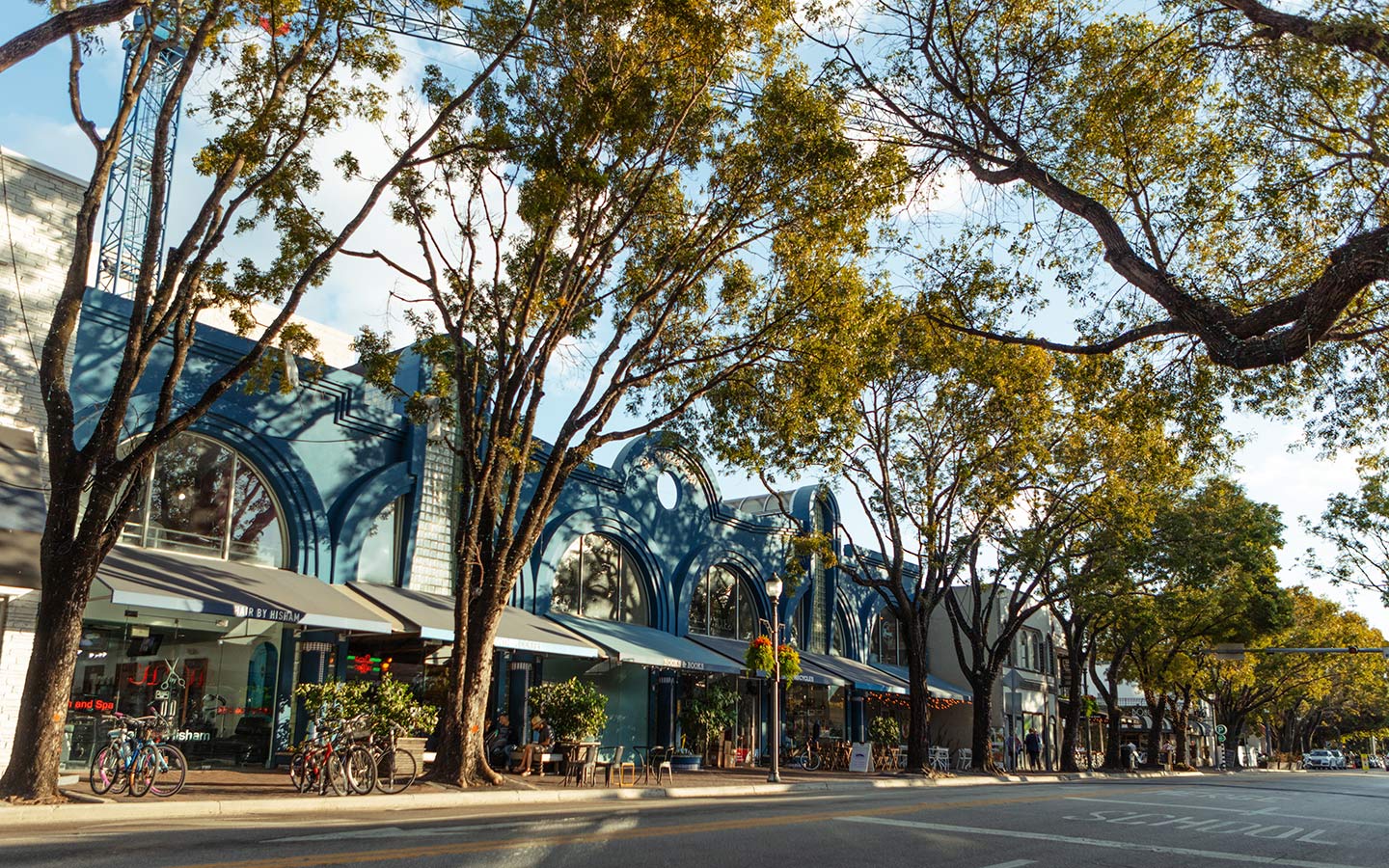
Core Operational Considerations for Coconut Grove Programs
Venue-by-venue labor and service rules documented in official exhibitor manuals
Scalable display systems matched to exhibit capacities from 100,000 to 500,000 square feet
Integration with GMCVB-listed suppliers for AV, transportation, and DMC services
Precise freight scheduling aligned to individual dock and load-in protocols
Exhibitor-appointed contractor coordination per show-specific directives
Adaptation to ballroom and breakout configurations up to 60,000 square feet
Contingency planning for programs spanning Miami-Dade and Broward districts
Coconut Grove’s Place in Miami’s Regional Event Framework
As one of several differentiated districts in the Miami area, Coconut Grove contributes a waterfront, culturally oriented character that supports ancillary components of larger trade show programs. Its position within Miami-Dade County places it inside the connected economic corridor that links to the Miami Beach Convention Center and other primary venues. Rather than operating in isolation, events touching this neighborhood benefit from the depth of regional infrastructure, including extensive meeting facilities and supplier networks maintained by the Greater Miami Convention and Visitors Bureau.
Planners gain advantage by mapping Coconut Grove activities against the larger calendar of conventions and corporate gatherings that anchor at the 1.4 million square foot Miami Beach facility or the airport-adjacent center. This perspective encourages selection of display rental inventory that transitions effectively between intimate settings and major exhibit floors, maintaining visual consistency while addressing each location’s distinct load-in and setup realities. Operational detail replaces assumptions, ensuring every element complies with the latest venue documentation.
Treating South Florida as one market for overflow, incentive, and supporting events allows coordinators to distribute programming intelligently. Coconut Grove can host targeted receptions or demonstrations that feed into or draw from the main convention activity, provided freight movement, contractor access, and service procurement follow each property’s published parameters.
Primary Convention Capacities Serving the Market
The Miami Beach Convention Center remains a foundational asset with 1.4 million total square feet of meeting and event space, nearly 500,000 square feet of versatile exhibit space, a 60,000 Square Foot Grand Ballroom, a 20,000 Square Foot Junior Ballroom, and 84 breakout rooms. These specifications support both large-scale trade shows and segmented programming that can incorporate district elements from locations such as Coconut Grove. Its dedicated sales and services team assists with logistics that extend beyond the property line when properly coordinated.
Supplementing this core is the Miami Airport Convention Center, offering 172,000 square feet of combined conference, trade show, and meeting space. This includes 100,000 square feet of exhibition space, a 29,000 Square Foot ballroom, and 45 breakout rooms, providing convenient access for attendees arriving by air while maintaining full compatibility with regional supplier and labor frameworks. Such facilities enable planners to distribute display requirements according to precise session needs.
The Broward County Convention Center extends the market’s depth as a major overflow destination, featuring 350,000 square feet of contiguous exhibit space and a 31,639 Square Foot meeting venue, with documented plans for campus growth beyond 1.2 million square feet. This capacity strengthens contingency options for programs that begin in Miami-Dade and extend northward, reinforcing the importance of unified regional planning over isolated district views.
Miami Beach Convention Center: Nearly 500,000 square feet of exhibit space
Miami Airport Convention Center: 100,000 square feet of exhibition space
Utilizing the Established Supplier Ecosystem
The Greater Miami Convention and Visitors Bureau publishes a supplier directory that organizes resources into clear categories including audio-visual and film services, caterers, destination management companies, transportation providers, employment services, and entertainment booking. This structure supports the mixed-vendor environment typical of South Florida events, allowing coordinators to assemble teams that match the technical and logistical demands of chosen display configurations without depending on a single in-house solution.
For Coconut Grove programs, these categorized suppliers facilitate everything from sophisticated AV integration for product demonstrations to efficient transportation of rental materials between district locations and primary convention halls. The directory’s emphasis on high-quality, specialized partners helps maintain standards across varied event scales while respecting each venue’s individual rules regarding outside contractors and material handling.
Coordinators who reference this ecosystem early in the planning cycle reduce friction during execution. The availability of dedicated employment and DMC resources further streamlines staffing and on-site management, ensuring display installations align with both aesthetic goals and the operational timelines published in venue manuals.
Venue-Driven Labor and Contractor Protocols
Labor considerations throughout Miami-Dade and Broward remain strictly venue-specific, guided by each property’s event platform, exhibitor manual, and the show organizer’s chosen general services contractor. Properties ranging from the Miami Beach Convention Center to resort-based meeting spaces maintain distinct approaches to house services and outside vendor access. No single labor classification applies universally, requiring planners to consult current documentation for every program.
The market’s broad outside-supplier ecosystem enables access to qualified AV, staffing, catering, and transportation partners, yet final permissions depend on the live event paperwork and individual venue direction. This reality demands a flexible, research-based stance that treats each exhibition or corporate gathering according to its unique contractual environment rather than generalized assumptions.
Official resources from the Greater Miami Convention and Visitors Bureau reinforce this approach by highlighting professional teams that assist with contracting, room blocks, and logistics. Adopting this disciplined perspective protects program integrity and supports smooth collaboration between exhibitor-appointed contractors and venue personnel across all districts including Coconut Grove.
Coordinators therefore prioritize early review of manuals and direct engagement with sales and services teams. This method ensures compliance while allowing display rental selections to be optimized for the actual labor conditions that will govern installation and dismantle.
Logistics, Freight, and District Access Realities
Trade show success in the Coconut Grove area and the wider South Florida market depends on rigorous attention to loading docks, freight deadlines, neighborhood access routes, and material handling procedures unique to each venue. Advance freight must be timed precisely to avoid conflicts with other events at the Miami Beach Convention Center or airport facility, while district-level deliveries in areas like Coconut Grove may require additional coordination with local traffic patterns and temporary staging zones.
Exhibitor-appointed contractors frequently manage specialized aspects of the display installation, making clear definition of responsibilities in the show prospectus essential. Venue-specific services outlined in official guides address everything from rigging to electrical distribution, ensuring that rental displays integrate safely and efficiently within the allocated footprint and time window.
Transportation partners drawn from the GMCVB supplier list further streamline movement of materials between the connected counties. When programs span multiple sites, such as a main exhibition in Broward paired with a reception in Coconut Grove, these logistics become critical to maintaining schedule integrity and presentation quality.
Detailed planning that accounts for these operational factors minimizes downtime and maximizes the visual impact of the chosen display solutions. Rental systems selected with load-in realities in mind typically feature modular components that assemble quickly under varying crew configurations.
Consult current exhibitor manuals for each venue’s freight and dock specifications
Define exhibitor-appointed contractor roles according to show management directives
Align transportation and staging plans with regional supplier capabilities
Incorporate venue-specific electrical and rigging requirements into display design
Selecting and Customizing Display Rental Solutions
Display rental choices for Coconut Grove-linked events should originate from a detailed assessment of event objectives, expected attendance profiles, and the technical specifications published by target venues. Inventory that scales from compact breakout configurations to full exhibit hall footprints ensures adaptability across the 100,000 to 500,000 square feet of regional exhibition capacity while preserving brand coherence.
Systems incorporating integrated graphics, lighting, and technology interfaces perform particularly well in South Florida’s sophisticated market, where attendees expect elevated production values. Rental options that emphasize rapid reconfiguration support the fluid nature of multi-day programs that may shift between convention center halls and district venues.
Early collaboration with planning resources allows for testing of layouts against actual floor plans, confirming that chosen elements will fit within designated spaces and comply with all safety and access regulations. This measured approach prevents costly on-site modifications and enhances overall program effectiveness.
The evolving nature of the Miami meetings market, with expansions at facilities like the Broward County Convention Center, rewards planners who select forward-compatible rental solutions. Such inventory maintains relevance across future events while delivering immediate impact for current Coconut Grove initiatives.
Creating Cohesive Multi-Venue Event Strategies
Many successful South Florida programs distribute components across districts and counties, pairing primary exhibit activity at the Miami Beach Convention Center with specialized sessions or receptions in Coconut Grove or Coral Gables. This strategy leverages the full depth of the regional venue network while requiring unified coordination of display themes, supplier contracts, and logistical timelines.
Destination management companies listed in the official supplier directory often provide valuable oversight for these distributed events, ensuring smooth transitions and consistent attendee experiences. When rental displays are specified with this multi-site reality in mind, the same core elements can be adapted rather than duplicated, controlling costs without sacrificing quality.
Contingency planning for weather, scheduling shifts, or attendance fluctuations becomes more manageable when the entire Miami-Dade and Broward corridor is viewed as a single ecosystem. Planners who map these interdependencies early create resilient programs that capitalize on the unique attributes of each location.
Advancing Planning Precision Across the South Florida Market
As venue campuses expand and supplier capabilities mature, the margin for error in trade show coordination narrows. Maintaining current knowledge of updates at the Miami Airport Convention Center, Broward County Convention Center, and supporting districts enables more informed display rental decisions and tighter integration with on-site services.
Emphasis on sustainability, technology integration, and experiential design continues to shape expectations in the Miami market. Rental solutions that accommodate these trends while respecting venue-specific constraints position events for stronger engagement and measurable outcomes.
Coordinators who treat every program as an opportunity to refine operational detail contribute to the ongoing elevation of South Florida’s reputation as a premier meetings destination. For initiatives involving Coconut Grove, this disciplined approach ensures that local character enhances rather than complicates the larger event architecture.