Key Planning Considerations for Key Biscayne Exhibitions
Integration with Miami Beach Convention Center’s 500,000 square feet of versatile exhibit space
Venue-driven labor and service protocols documented in each property’s exhibitor manual
Access to GMCVB-listed suppliers spanning AV, transportation, and destination management
Coordination of freight timing across Miami-Dade and Broward’s connected event corridors
District differentiation between Key Biscayne’s coastal luxury and urban convention cores
Scalable display solutions aligned to event size from breakout sessions to full exhibitions
Utilization of regional overflow capacity at Miami Airport and Broward County centers
Key Biscayne’s Role in the Miami-Dade Meetings Landscape
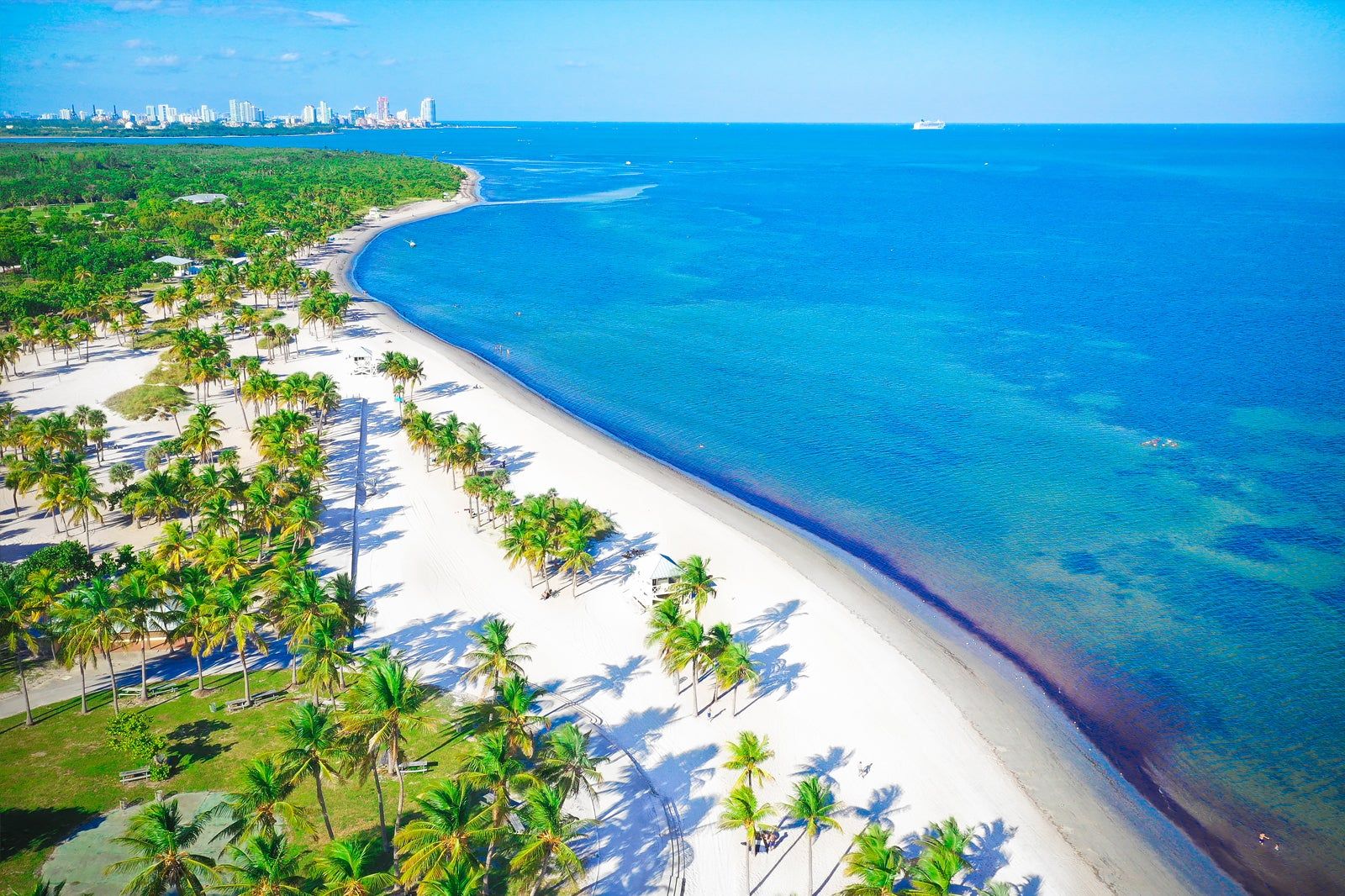
As a barrier island community, Key Biscayne contributes a distinct luxury dimension to South Florida’s trade show and convention activity. While the primary exhibition volume occurs at dedicated facilities, planners frequently incorporate this district for executive sessions, hospitality functions, and experiential extensions that capitalize on its serene beachfront and resort atmosphere. This positioning allows events to distribute components intelligently across neighborhoods rather than concentrating every element in a single core venue.
The Miami Beach Convention Center functions as the principal anchor with 1.4 million total square feet of meeting and event space. Its nearly 500,000 square feet of exhibit space, combined with extensive ballroom and breakout capacity, supports major trade shows whose programming can extend into adjacent districts including Key Biscayne. Such distribution requires precise coordination of display elements, timing, and logistics to maintain continuity between the main hall and secondary locations.
Treating Miami-Dade and Broward as one connected region further expands options. When the Miami Beach Convention Center calendar fills, overflow programs can shift to the Broward County Convention Center’s 350,000 square feet of contiguous exhibit space while still drawing on the same supplier base and transportation corridors that serve Key Biscayne planners.
500,000 square feet of exhibit space at primary Miami Beach facility
84 breakout rooms supporting specialized programming
Connected Miami-Dade and Broward operating region
Causeway-enabled movement between island and mainland sites
Major Venues Supporting Key Biscayne-Area Events
The Miami Beach Convention Center remains the cornerstone for large-format trade shows serving the entire county. Its infrastructure includes a 60,000 Square Foot Grand Ballroom and 20,000 Square Foot Junior Ballroom in addition to the primary exhibit floor, creating multiple zones where custom displays must be planned for both scale and adaptability. Coordination from Key Biscayne therefore begins with understanding these venue specifications and their implications for material handling and installation schedules.
The Miami Airport Convention Center provides a complementary option with 172,000 square feet of conference and trade show space, including 100,000 square feet of exhibition area, a 29,000 Square Foot ballroom, and 45 breakout rooms. This facility’s location west of downtown offers logistical advantages for events that combine air-travel convenience with programming that may incorporate Key Biscayne resort components for evening or incentive segments.
Broward County Convention Center functions as a major overflow resource with 350,000 square feet of contiguous exhibit space and a 31,639 Square Foot meeting venue, with documented plans for campus expansion beyond 1.2 million square feet. This depth allows planners to maintain momentum across the South Florida economy even when primary Miami dates are unavailable, always aligning display rental decisions to the specific manual and service structure of the chosen property.
Leveraging the Regional Supplier Ecosystem
The Greater Miami Convention and Visitors Bureau maintains a comprehensive supplier directory that separates resources into targeted categories including audio-visual and film services, caterers, destination management companies, transportation providers, employment services, and entertainment booking. This structure supports a mixed-vendor environment in which display coordination for Key Biscayne draws on established partners without depending on any single venue’s in-house team.
For trade show projects that bridge multiple districts, these categorized suppliers enable consistent branding, technology integration, and attendee experience whether the main exhibition occurs at the Miami Beach Convention Center or an airport-adjacent facility. Destination management companies in particular assist with the logistical threading of programs that include Key Biscayne’s coastal venues alongside downtown or beachfront activations.
Effective use of this ecosystem requires early mapping of required services against each venue’s approved vendor list. The directory’s breadth ensures planners can locate high-quality partners for every element from exhibit fabrication through on-site technical support and transportation of materials between the mainland and island locations.
Dedicated AV and film services category
Specialized transportation and DMC listings
Employment services for supplemental staffing
Alignment with individual venue supplier rules
Venue-Specific Labor and Operational Protocols
Labor and installation rules in the South Florida market are determined at the individual venue, show organizer, and exhibitor-manual level rather than by any county-wide standard. The Miami Beach Convention Center, Miami Airport Convention Center, and Broward County Convention Center each publish their own guidelines governing union jurisdictions, outside vendor access, and material handling procedures. Coordination for Key Biscayne therefore includes careful review of the specific documentation for every property involved in a multi-district program.
Official guides from the Greater Miami Convention and Visitors Bureau emphasize working through each property’s event services team, whether at convention centers or resort-managed meeting platforms. This venue-driven approach prevents assumptions about labor flexibility and ensures compliance with live event paperwork that ultimately dictates field conditions on the day of installation.
The broader supplier ecosystem provides additional flexibility through pre-approved partners in categories such as employment services. By treating labor as show-specific and manual-driven, planners maintain operational integrity across both the primary exhibition halls and any ancillary activities positioned in Key Biscayne’s luxury coastal setting.
Logistics and Freight Coordination Across Districts
Successful display execution in Key Biscayne requires attention to freight routing, causeway timing, and advance warehouse options offered by the selected general service contractor for each show. Materials destined for the Miami Beach Convention Center or Miami Airport Convention Center must be scheduled to align with dock availability and union call times published in the respective exhibitor manuals. The same precision applies when components move onward to island locations.
Transportation suppliers listed in the GMCVB directory assist with efficient movement between the airport belt, Brickell, downtown, and coastal enclaves. This network supports both heavy freight and lighter elements required for breakout sessions or hospitality suites, enabling planners to maintain brand consistency without unnecessary duplication of assets across venues.
Scalable exhibit solutions become especially valuable in a market where events may utilize the 500,000 square feet at Miami Beach one day and more intimate settings the next. Modular systems that adapt to both large exhibit halls and smaller resort environments reduce logistical complexity while preserving visual impact throughout the program.
Advance freight timing aligned to venue docks
Causeway routing considerations for island delivery
General service contractor warehouse coordination
Modular displays for multi-venue adaptability
Supplier-supported transportation between districts
Strategic Exhibit Approaches for the South Florida Market
Trade show display coordination for Key Biscayne benefits from an understanding of how district characteristics influence design decisions. The island’s emphasis on refined, experience-driven environments favors clean lines, premium materials, and technology that complements rather than competes with natural surroundings. These elements integrate with the larger exhibition infrastructure where scale and durability take precedence on the main floor of the Miami Beach Convention Center.
Planners achieve efficiency by selecting rental solutions that can be reconfigured across venues within the connected Miami-Dade and Broward region. A single investment in versatile components can serve the 100,000 square feet of exhibition space at the airport center, the 350,000 square feet in Broward, and the more focused activations that characterize Key Biscayne programming.
Early engagement with the planning process allows alignment of graphics, lighting, and interactive features with both the technical specifications of major halls and the ambiance of coastal districts. This integrated strategy maximizes return on investment while delivering cohesive brand messaging throughout the South Florida event journey.
Creating Smooth Multi-Venue Experiences
The most successful programs treat the Miami area as a unified ecosystem rather than isolated venues. Key Biscayne’s role as a luxury complement allows main-stage exhibitions at the convention centers to be augmented with targeted sessions, networking events, or product demonstrations in a distinctly different setting. Coordination resources focus on ensuring that display assets, messaging, and technical support transition smoothly between these environments.
The GMCVB’s supplier categories and venue sales teams provide foundational support for such integration. Whether sourcing AV services for a breakout on the island or arranging transportation from the 29,000 Square Foot ballroom at the airport center, the emphasis remains on documented processes that respect each property’s operational manual.
By maintaining this disciplined approach, organizations avoid common pitfalls associated with multi-district events and instead deliver memorable experiences that leverage the full spectrum of what the South Florida meetings market offers.
Consistent branding across convention and coastal venues
Technical continuity from main hall to breakout sessions
Supplier network supporting all program elements
Manual-driven execution at every participating property